In modern formulation and manufacturing, ingredient functionality is just as important as product performance. One ingredient that consistently delivers both versatility and reliability across industries is flaked cetyl alcohol.
Cosmetic and personal care manufacturers widely use cetyl alcohol in their formulations because of its ability to stabilize emulsions, enhance texture, and improve product performance. Whether helping creams achieve a smooth consistency or acting as a lubricant in industrial processes, this fatty alcohol plays a critical role in many everyday products.
Cetyl alcohol (chemical name hexadecan-1-ol) is a naturally derived fatty alcohol produced from vegetable oils such as palm and coconut oil. Despite its name, cetyl alcohol is not the drying alcohol found in products like ethanol or isopropyl alcohol. Instead, it is a waxy, emollient ingredient known for improving texture and stability.
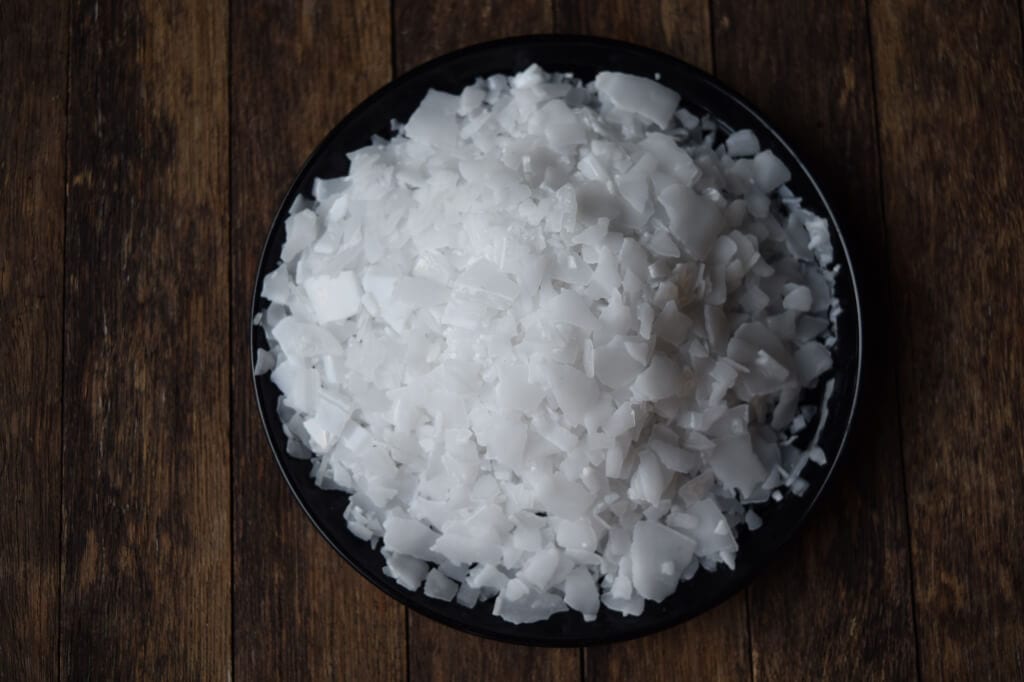
Cetyl alcohol flakes are typically produced in solid forms such as flakes or pastilles, which allow for easier handling, melting, and incorporation into manufacturing processes.
Because of its multifunctional properties, cetyl alcohol is widely used as:
These properties make it valuable across multiple industries.
One of the most common applications for flaked cetyl alcohol is in cosmetic and personal care formulations. Manufacturers rely on cetyl alcohol to create the smooth textures consumers expect from high-quality skincare products.
Cetyl alcohol helps oil and water blend together, stabilizing emulsions commonly found in creams, lotions, and moisturizers. This prevents ingredients from separating and ensures consistent product performance.
Cetyl alcohol also functions as a thickening agent, allowing formulators to control viscosity and achieve the desired consistency in products such as:
These characteristics make cetyl alcohol a staple ingredient in many personal care formulations.
Cetyl alcohol is also widely used in pharmaceutical formulations, where stability and consistency are essential.
In medicinal creams and ointments, cetyl alcohol acts as an emulsifier and stabilizer, ensuring active ingredients remain evenly distributed throughout the product. It can also improve the texture and spreadability of topical treatments, making them easier to apply.
Beyond personal care and pharmaceutical applications, cetyl alcohol is utilized in several industrial sectors due to its lubricating and stabilizing properties.
Manufacturers often incorporate cetyl alcohol into cutting fluids and machine lubricants, where it helps reduce friction and improve operational efficiency in manufacturing processes.
In the textile industry, cetyl alcohol can be used as a fabric softening agent, helping improve the feel and handling of finished materials.
In candle manufacturing, cetyl alcohol contributes to wax consistency and extended burn time, improving product performance.
Manufacturers also use cetyl alcohol as a lubricant and processing aid in plastics and polymer production, helping improve manufacturing efficiency and product quality.
Suppliers often provide cetyl alcohol in flake form because this format offers several advantages:
For many manufacturers, flakes provide a convenient and efficient way to incorporate cetyl alcohol into production lines.
At CREMER North America, we provide high-quality oleochemical ingredients, including flaked cetyl alcohol, to customers across multiple industries. Our supply chain expertise and global sourcing capabilities ensure consistent quality, reliable delivery, and flexible packaging solutions.
Whether you are developing cosmetic formulations, pharmaceutical products, or industrial applications, our team can help you find the right oleochemical solution.
Have questions about flaked cetyl alcohol packaging, transport, or sourcing?
Contact a CREMER North America expert today.
Is cetyl alcohol safe for skin?
Yes. Cetyl alcohol is considered safe for cosmetic use and is commonly used as an emollient and emulsifier in skincare formulations.
What are cetyl alcohol flakes used for?
Cetyl alcohol flakes are commonly used in cosmetics, pharmaceuticals, lubricants, textiles, and polymer manufacturing because they act as emulsifiers, thickening agents, and lubricants.
Are cetyl alcohol flakes natural?
Most commercial cetyl alcohol is derived from vegetable oils such as palm or coconut oil, making it a widely used oleochemical ingredient.
What is the difference between cetyl alcohol flakes and pastilles?
Both forms contain the same material, but flakes are easier to melt and measure during manufacturing, while pastilles can offer improved flowability for automated systems.
Where can manufacturers source bulk cetyl alcohol flakes?
Manufacturers typically work with specialized oleochemical suppliers that provide consistent quality, bulk packaging options, and global logistics support.