
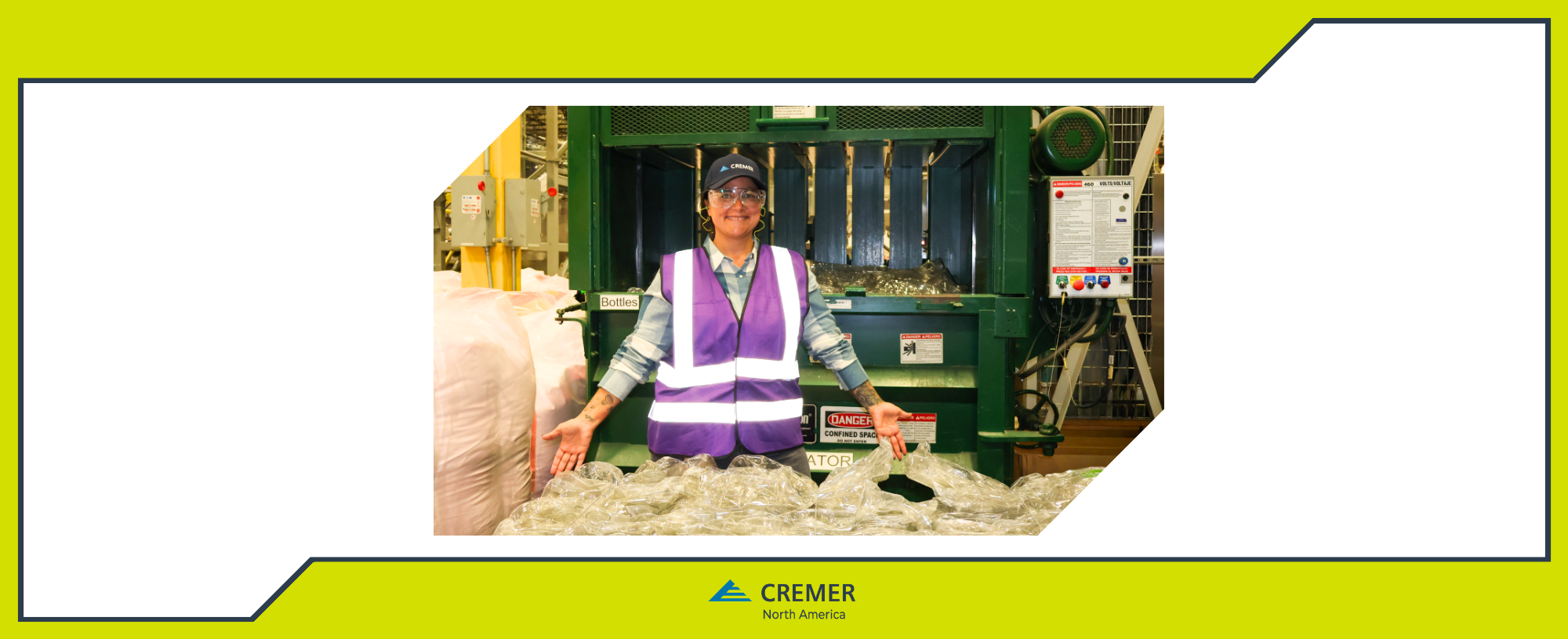
Environmental stewardship starts long before a material becomes waste. At CREMER North America, it begins with the decisions we make before materials enter our facilities: what we buy, who we buy from, and how we manage those resources throughout their lifecycle.
Across the organization, teams are finding practical ways to use resources more efficiently, reduce unnecessary waste, and recover value from materials that can be reused and recycled.
These efforts connect responsible procurement, supplier management, recycling, and everyday operating practices into one shared approach to resource management.
Responsible procurement means looking beyond the immediate purchase. It considers how supplier relationships, inventory levels, spending patterns, and resource use affect the business over time.
Over the past several years, CREMER North America has brought more purchasing activity in-house, including maintenance, repair, and operations procurement. This shift has given the Purchasing team a clearer view of suppliers, purchasing patterns, inventory needs, and opportunities across the business.
With better visibility, the team can identify where to consolidate suppliers, improve inventory management, reduce unnecessary purchases, and strenghten relationships with key partners.
The process started with a practical question: How can we consolidate?
The team began by analyzing spend and supplier relationships, starting with packaging supplies before expanding into sample supplies, facility services, capital expenditures, and operating expenditures. As the purchasing function matured, it created a stronger foundation for structured supplier relationship management.
The foundation now supports several practices designed to make purchasing more intentional and efficient:
CREMER has also updated its 2026 Sustainable Procurement Policy, further formalizing the role responsible business practices play in purchasing and supplier management.
Together, these practices help CREMER make more informed purchasing decisions and build more strategic supplier relationship.
But the work continues after materials arrive, through how those materials are used, recovered, and measured.
In 2022, CREMER began developing Operational Income Programs to identify materials that could be recycled instead of sent to traditional waste streams. Today, those programs include steel drums, plastic totes, pallets, and plastic waste from bottling operations.
The process is straightforward and measurable: materials are collected, consolidated, weighed, and logged for Environmental, Health and Safety purposes before recyclers pick them up. When eligible materials are recycled, CREMER receives revenue from the recovered material.
The impact is significant:
Together, these recycling and resource-recovery programs divert millions of pounds of material from traditional waste streams while creating measurable business value. Plastic waste generated through bottling is baled before being collected by a recycler. This keeps usable plastic in the recycling stream and allows CREMER to recover value from material that might otherwise be discarded.
These programs show how thoughtful resource management can reduce waste, improve material recovery, and support more efficient operations.
Larger programs deliver measurable results, but resource management also depends on the smaller decisions employees make every day.
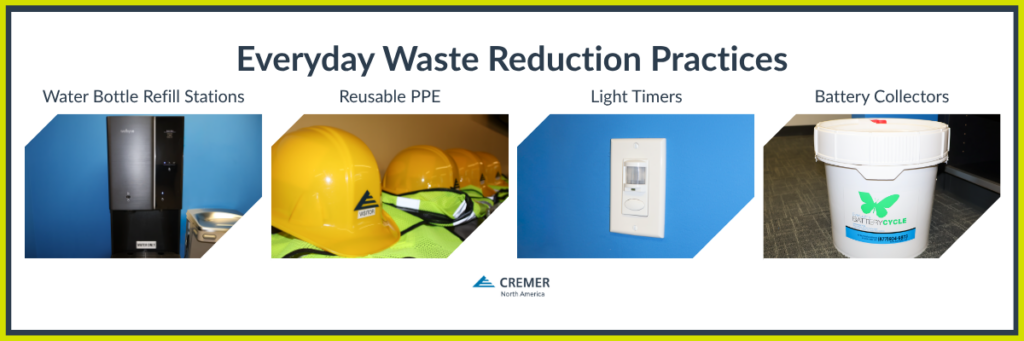
Not every resource-management effort requires a major program or specialized equipment. Small, practical changes across CREMER facilities also support more responsible resource use.
Examples include:
Individually, these actions may seem small. Together, they reinforce an important principle: responsible business practices are built through everyday decisions across the organization.
From purchasing decisions to recycling programs to facility-level practices, each effort supports the same broader goal: using resources responsibly and reducing unnecessary waste.
Responsible business practices are most meaningful when progress can be measured and used to guide improvement.
Over the past several years, CREMER’s procurement improvements have delivered significant cost savings through greater purchasing visibility, supplier consolidation, stronger inventory management, and more strategic sourcing.
These results show how more intentional purchasing decisions can improve efficiency and make better use of company resources.
CREMER also uses external environmental and sustainability benchmarking, including EcoVadis, to evaluate current practices and identify opportunities for continued improvement.
By tracking procurement and resource-management initiatives, CREMER can better understand what is working, where improvements are needed, and how to strengthen its approach over time.
That focus on data, measurement, and continuous improvement is helping shape the next phase of this work.
CREMER’s approach to environmental stewardship, responsible procurement, and resource management continues to evolve.
The Purchasing team is developing a formal Supplier Categorization Framework to bring more structure to how supplier relationships are evaluated and managed. Using tools such as the Kraljic Matrix, the team can identify which supplier relationships require greater strategic attention and build stronger engagement around those partnerships.
CREMER is also expanding its approach to Vendor Managed Inventory. Early programs with packaging supplies and consumables have shown potential to improve supply continuity while reducing excess inventory. The next step is to scale those practices and apply supplier expertise to additional areas, including maintenance, repair, and operations.
Sam describes the goal simply:
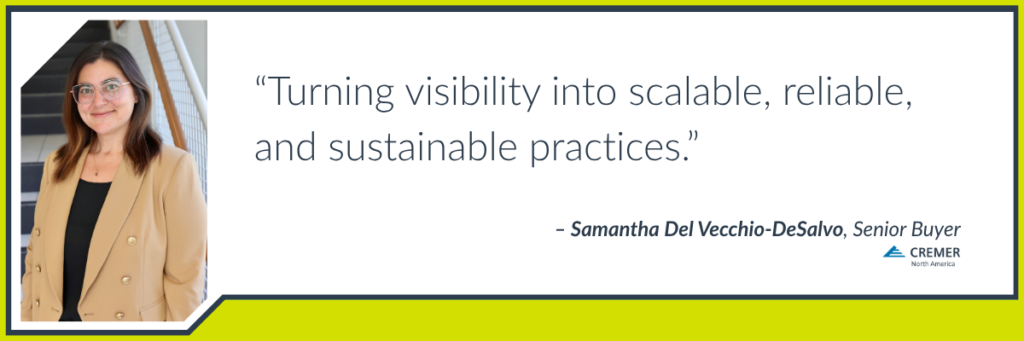
Going forward, the focus is not simply on adding more initiatives. It is on building systems that make responsible resource management more consistent, measurable, and scalable.
That means continuing to strengthen supplier relationships, improve purchasing practices, make better use of data, and find new opportunities to use resources effectively.
Environmental stewardship and responsible resource management are shared responsibilities across the organization.
They begin with decisions made before materials enter operations and continue through how those resources are purchased, used, managed, recycled, and measured.
By improving purchasing visibility, strengthening supplier relationships, managing inventory more effectively, recovering recyclable materials, and measuring results, CREMER North America is building practical resource-management practices across its operations.
The goal is simple: make better decisions with the resources we have and find more value in what we use.
As these programs continue to develop, CREMER is finding more opportunities to turn environmental stewardship and responsible resource management into practical, measurable progress.
Learning never stops at CREMER North America. By investing in our employees’ growth, we’re building a stronger future together. Interested in joining our team? Visit our careers page to explore current opportunities.